On Intimacy, Power, and Presence
This is not about becoming someone else.
It is about meeting yourself — and each other — as you are.
I began photographing intimacy because I was drawn to presence over performance
In the subtle shifts.
In the way breath changes when someone feels seen.
In the quiet negotiation of closeness that happens before touch.
Intimacy, at its core, is not theatrical. It is relational.
Over time, my work evolved into something slower, more intentional. A space where couples don’t have to pose a version of connection — but can instead explore what connection feels like in real time.
There is nothing rushed here.
Nothing extracted.
Nothing forced.
Only attention.
And the space to inhabit it.
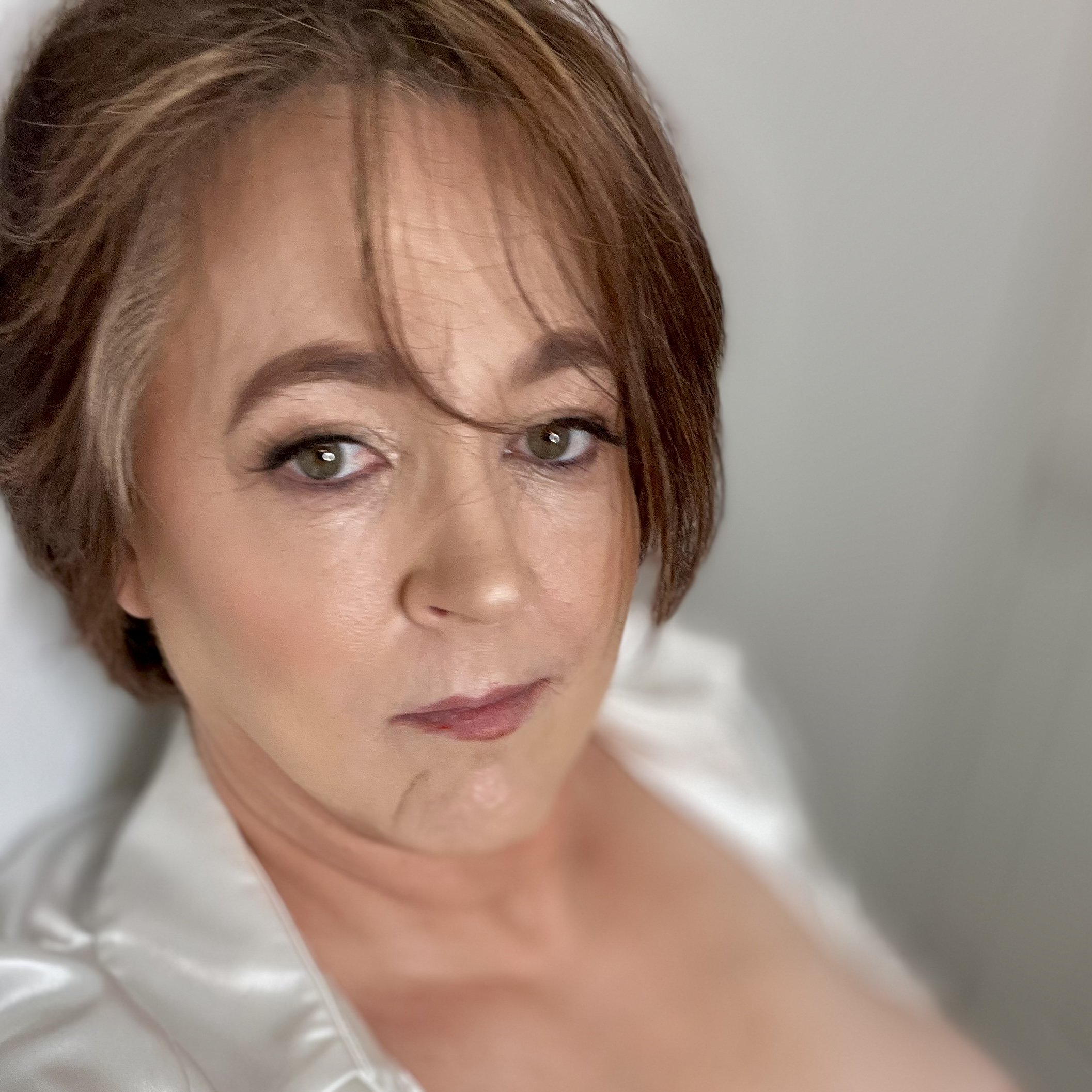
Red Umbrella Boudoir didn’t begin as a strategy.
It began as a creative outlet.
Before photography, I worked as a social worker.
Later, I moved into IT project management — structured, precise, relentlessly logical.
Boudoir was my return to something human.
Art. Sensation. Presence.
From behind the camera, I began noticing something deeper.
Most couples are not struggling with chemistry.
They are navigating pace. Safety. Permission.
They are negotiating how close they are allowed to be.
They weren’t only looking for beautiful images.
They were looking for initiation —
into deeper intimacy,
into embodied desire,
into a more alive version of themselves as lovers.
That realization reshaped the way I photograph.
Sessions are not about performing for the camera.
They are guided by attunement.
I pay attention to breath.
To subtle shifts in posture.
To the space between you before you move closer.
I notice where hesitation lives.
Where confidence emerges.
Where one partner leads — and where the other softens.
To hold this work responsibly, I deepened my training.
I became Somatica-trained as an intimacy coach
and certified through the American Board of Sexology.
Not to turn sessions into therapy —
but to approach them with a deeper understanding of desire, vulnerability, and relational safety.
This is not therapy.
But it is informed by a deep respect for consent, pacing, and emotional presence.
The camera becomes a witness — not an intrusion.
And the images that result feel less like performance,
and more like recognition.
Sometimes, desire asks for a place that can hold it.
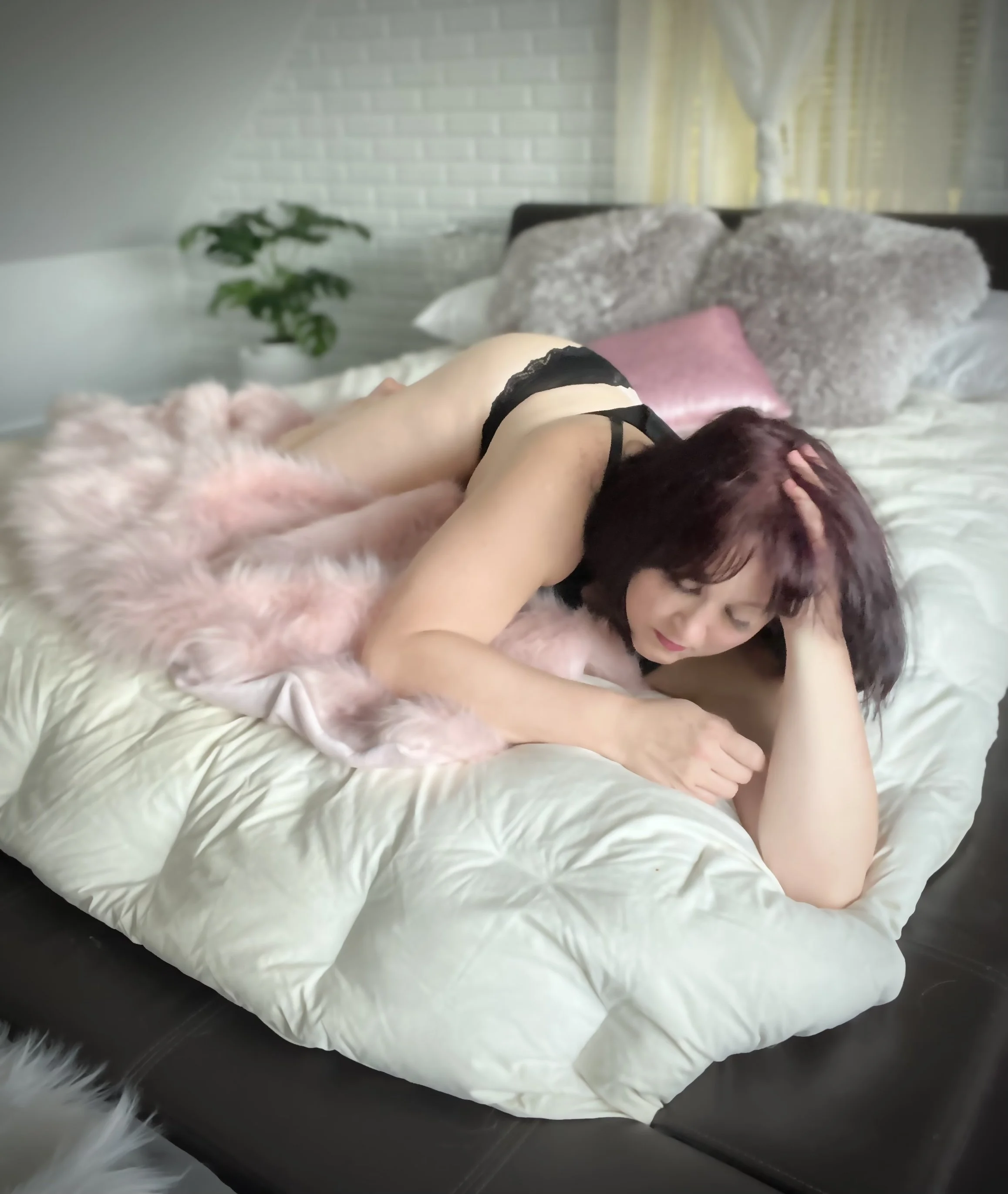
And sometimes, desire asks for a place that gives it permission.
In Las Vegas, people step outside routine.
They taste what has been quietly imagined but not yet lived.
There is something intoxicating about choosing a place that already hums with possibility.
This experience honors that spirit — the curious, the bold, the forbidden —
while holding it inside safety, structure, and consent.
It is an adventure.
Not reckless.
But electric.
You may arrive playful.
Or uncertain.
Or ready to discover a version of yourselves you haven’t met before.
There is space here for desire without performance.
For power without domination.
For softness without fear.
In a city known for indulgence, this becomes something more intimate.
More intentional.
A private rebellion against routine.
A deliberate step into the sensual.
A wildness that is chosen — not consumed.
The photographs are the souvenir.
The experience is the awakening.
If this resonates, we begin with a conversation.
I n t i m a c y . I n t e n t i o n a l l y .
I n a C i t y t h a t U n d e r s t a n d s D e s i r e .